- Call: +1 850 633 2663

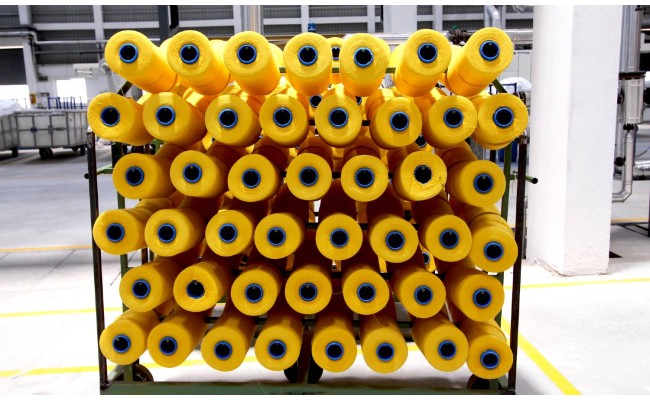
Raw material conveying and blending technology is crucial for efficient and high-quality film extrusion processes. Conveying systems, such as pneumatic, mechanical, and vacuum, ensure the smooth flow of raw materials to the extruder, optimizing production rates and minimizing downtime. Blending systems, including batch and continuous blending, enable the precise mixing of multiple raw materials to achieve consistent film properties and desired characteristics. Proper integration of conveying and blending systems ensures seamless material transfer and minimizes loss and contamination. Understanding the interaction between these technologies is essential for trouble-free operation and maintenance. Real-life examples and case studies highlight successful implementations and provide valuable insights into challenges and solutions. By mastering raw material conveying and blending technology, film extrusion manufacturers can enhance productivity, reduce costs, and deliver superior film products to meet customer demands.
Attending the online training is beneficial due to several compelling reasons including;
1. Mastering Conveying Techniques: Attending the training helps in mastering raw material conveying, crucial for optimal film extrusion, efficient methods, minimal wastage, and consistent feed rates.
2. Understanding Blending Techniques: Gain in-depth knowledge of raw material blending methods like batch and continuous blending, which are vital for ensuring product quality and uniformity.
3. Integrating Systems for Enhanced Extrusion: Learn to effectively integrate conveying and blending systems, which is key to avoiding contamination and boosting productivity in the extrusion process.
4. Equipping Formulators with Troubleshooting Skills: The training provides essential troubleshooting skills for polymer professionals, enabling them to identify and solve issues, thereby increasing yields and minimizing downtime.
This is highly recommended and must have training for chemical industry professionals engaged in diverse polymer application/formulation areas; in particular:
- R&D chemists, formulators, Engineers, Q&A
- Plastic film manufacturers and their production teams
- Compounders
- Engineers, technicians, and supervisors
- Product development teams and R&D managers

The OnlyTRAININGS experts team is a powerhouse of industry professionals committed to advancing knowledge and solving complex challenges. Comprising specialists from diverse fields including chemical engineering, automotive, artificial intelligence, consumer electronics, energy solutions, sustainability, circular economy, polymer science, cosmetics industry, information technology, regulatory affairs and more, our team brings unparalleled expertise. With deep knowledge in polymer science, material science, coatings technology, cosmetic formulations, adhesives and sealants, and industry regulations, we offer a unique blend of experience and skill sets. Driven by a passion for innovation and rigorous research, our team is dedicated to making a tangible impact. We thrive on tackling new challenges, exploring growth opportunities, and pushing the boundaries of what’s possible. By staying at the forefront of industry developments and emerging technologies, we ensure that professionals can apply cutting-edge skills and insights to their day-to-day work. At OnlyTRAININGS, we pride ourselves on delivering world-class, instructor-led technical training. Backed by our expert team, we provide comprehensive, hands-on learning experiences designed to elevate your skills and expertise. Whether you're looking to master new technologies, solve complex problems, or stay ahead in your field, OnlyTRAININGS is your partner in professional growth.
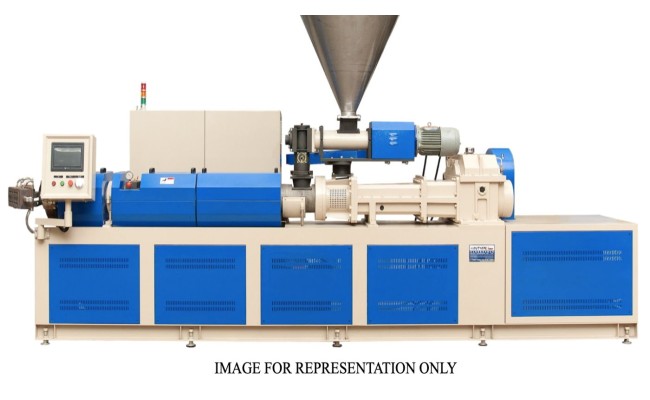
Further areas you will be able to explore after this training: compounding equipments, single screw extruders, twin screw extruders, co-rotating twin screw extrusion, raw material conveying in film extrusion, types of conveying systems, blending systems, selection of blending systems many more....
Join 100,000+ chemical industry professionals from 5000+ companies worldwide who trust OnlyTRAININGS for industry-leading expertise.
 OnlyTRAININGS Expert Team
OnlyTRAININGS Expert Team
OnlyTRAININGS Expert Team
 OnlyTRAININGS Expert Team
4 reviews