- Call: +1 850 633 2663

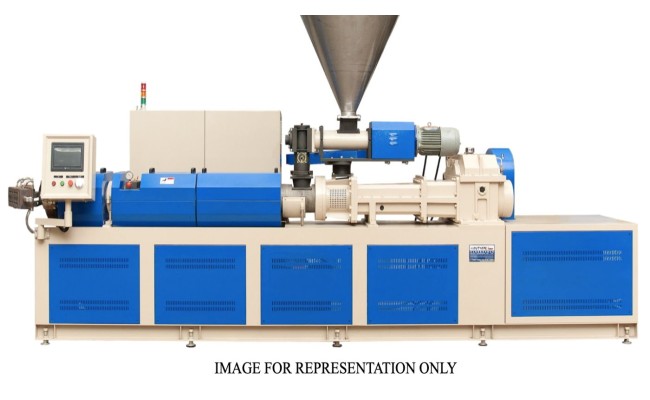
The twin screw extrusion process is widely used in the production of a wide range of products, including food, plastics, rubber, and more. It is a critical aspect of the manufacturing process, and it requires a high level of technical expertise and attention to detail.Twin Screw Extrusion (TSE) process enables the continuous production of highly homogeneous and finely structured products. It has become the standard over time in several industries because it offers numerous advantages over single screw extrusion. Twin screw extrusion can handle a wide range of materials and can perform a variety of operations, such as filling, compounding, and devolatilization, in a single processing step. The twin screw extrusion process is fast, efficient, and can be used to produce large quantities of product in a single run. It is highly valuable in the polymer industry due to its ability to produce high-quality products with improved performance and increased production efficiency.
In this training instructor will discuss all the major aspects including;
1. Comprehensive Knowledge: Gain deep insights into twin screw extruders, covering parts, plastic behavior, controls, and troubleshooting for a holistic understanding.
2. Optimize Productivity: Learn techniques to maximize productivity, ensuring efficient extrusion processes that can boost production and save costs.
3. Safe Operations: Enhance safety by mastering safe operating procedures, reducing the risk of accidents and ensuring a secure workplace environment.
4. Quick Problem Solving: Acquire skills to swiftly identify and resolve extrusion-related issues, minimizing downtime and increasing overall efficiency.
5. Profit Enhancement: Understand the connection between process control and profits, enabling you to make informed decisions that positively impact your bottom line.
Recommended for engineers, R&D chemist, QA, compounders, masterbachers who are looking for process optimization to improve performance. Training is also useful for professionals encountering problem in their daily extrusion related processes and interested in the benefits of twin screw extrusion.
This is highly recommended and must have training for chemical industry professionals engaged in diverse polymer application/formulation areas; in particular:
- R&D chemists, formulators, Engineers, Q&A
- Chemist, Compounders, masterbachers
- Professionals interested in twin screw extrusion

The OnlyTRAININGS experts team is a powerhouse of industry professionals committed to advancing knowledge and solving complex challenges. Comprising specialists from diverse fields including chemical engineering, automotive, artificial intelligence, consumer electronics, energy solutions, sustainability, circular economy, polymer science, cosmetics industry, information technology, regulatory affairs and more, our team brings unparalleled expertise. With deep knowledge in polymer science, material science, coatings technology, cosmetic formulations, adhesives and sealants, and industry regulations, we offer a unique blend of experience and skill sets. Driven by a passion for innovation and rigorous research, our team is dedicated to making a tangible impact. We thrive on tackling new challenges, exploring growth opportunities, and pushing the boundaries of what’s possible. By staying at the forefront of industry developments and emerging technologies, we ensure that professionals can apply cutting-edge skills and insights to their day-to-day work. At OnlyTRAININGS, we pride ourselves on delivering world-class, instructor-led technical training. Backed by our expert team, we provide comprehensive, hands-on learning experiences designed to elevate your skills and expertise. Whether you're looking to master new technologies, solve complex problems, or stay ahead in your field, OnlyTRAININGS is your partner in professional growth.
Join 100,000+ chemical industry professionals from 5000+ companies worldwide who trust OnlyTRAININGS for industry-leading expertise.

 OnlyTRAININGS Expert Team
 OnlyTRAININGS Expert Team
 OnlyTRAININGS Expert Team
6 reviews