- Call: +1 850 633 2663

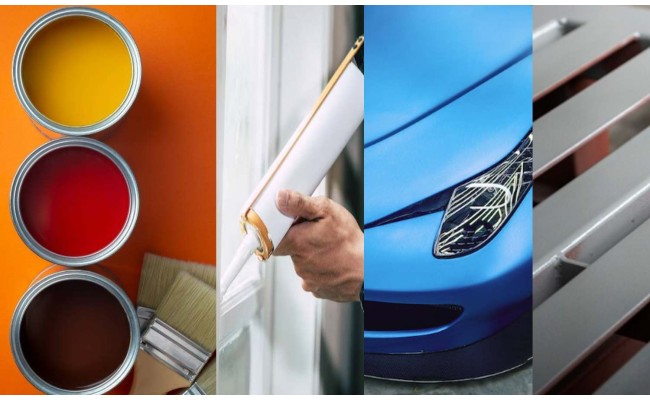
Hybrid silanes represent a groundbreaking solution that effectively blends organic and inorganic components to heighten material performance capabilities within a broad range of industries. The compound offers a plethora of advantages, such as enhanced adhesion, durability, mechanical strength, and water resistance. Hybrid silanes are widely utilized in the production of sophisticated materials like composites, coatings, sealants, and adhesives, as well as in specialty chemicals and additives. These silanes provide the unique opportunity to tailor and refine material properties to suit even the most demanding applications, especially in sectors such as aerospace, electronics, and automotive. There has never been a better time to explore the chemistry and characteristics of hybrid silanes, their practical applications, the latest advancements in their synthesis and characterization, as well as the challenges and opportunities associated with their use, including safety, environmental impact, and regulatory requirements. Ultimately, hybrid silanes have the potential to elevate material performance and spur innovation throughout various industries.
Hybrid Silanes are revolutionizing multiple industries by significantly improving material performance. They offer exceptional advantages and by participating in this online training you will;
1. Enhance Technical Expertise: The training provides in-depth knowledge about Hybrid Silanes, essential for professionals aiming to fully exploit their benefits in various applications.
2. Unlock Full Potential of Hybrid Silanes: The training focuses on practical applications in coatings, composites, adhesives, and sealants, allowing participants to maximize the benefits of these advanced materials.
3. Improve Product Performance: Learning about the superior bonding strength, heat, moisture, and chemical resistance of Hybrid Silanes enables professionals to develop more efficient and effective formulations.
4. Stay Current with Industry Trends: Attending Hybrid Silanes training keeps professionals updated on the latest advancements, essential for staying competitive in rapidly evolving industries..
This is highly recommended and must have training for chemical industry professionals engaged in diverse application/formulation areas including adhesives, building and construction, coatings and polymers; in particular:
- R&D chemists, formulators, new product developers
- Technical service managers, lab managers, product managers
- Industry professionals who are working with or want to start with silanes

The OnlyTRAININGS experts team is a powerhouse of industry professionals committed to advancing knowledge and solving complex challenges. Comprising specialists from diverse fields including chemical engineering, automotive, artificial intelligence, consumer electronics, energy solutions, sustainability, circular economy, polymer science, cosmetics industry, information technology, regulatory affairs and more, our team brings unparalleled expertise. With deep knowledge in polymer science, material science, coatings technology, cosmetic formulations, adhesives and sealants, and industry regulations, we offer a unique blend of experience and skill sets. Driven by a passion for innovation and rigorous research, our team is dedicated to making a tangible impact. We thrive on tackling new challenges, exploring growth opportunities, and pushing the boundaries of what’s possible. By staying at the forefront of industry developments and emerging technologies, we ensure that professionals can apply cutting-edge skills and insights to their day-to-day work. At OnlyTRAININGS, we pride ourselves on delivering world-class, instructor-led technical training. Backed by our expert team, we provide comprehensive, hands-on learning experiences designed to elevate your skills and expertise. Whether you're looking to master new technologies, solve complex problems, or stay ahead in your field, OnlyTRAININGS is your partner in professional growth.
Further areas you will be able to explore easily after this trainings: Hybrid silane crosslinking polymers, crosslinker and polymer modifier, adhesion promoter, hybrid formulations, organofunctional silanes, crosslinking agent, moisture curing mechanism, polymers for sealants, silane coupling agent, silane coupling, hybrid polymer sealant, hybrid polymer adhesive, ms polymer vs silicone, polymer grafting, functional silane groups, applications of functional silanes, silane formulations,
Join 100,000+ chemical industry professionals from 5000+ companies worldwide who trust OnlyTRAININGS for industry-leading expertise.
 OnlyTRAININGS Expert Team
OnlyTRAININGS Expert Team
OnlyTRAININGS Expert Team
 OnlyTRAININGS Expert Team
11 reviews