- Call: +1 850 633 2663

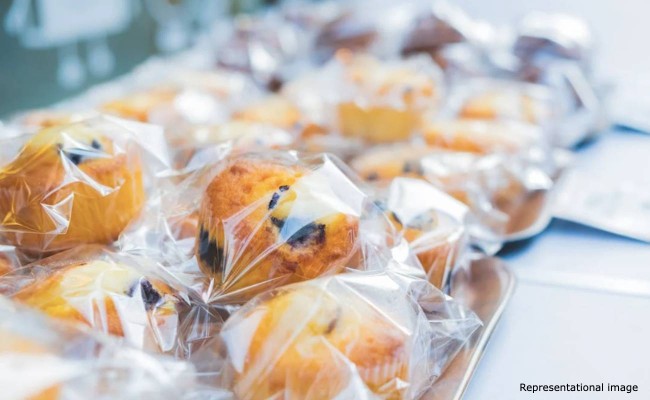
Emerging food packaging applications have created more stringent requirements for packaging food products. One critical need is for improved barrier films to construct the actual packages, which is a growing area that demands attention. Enhancing the barrier properties of the packaging film is crucial for prolonging the shelf-life of food and reducing the potential for spoilage and damage of the packaged food. Traditionally, either a PVDC coating or an aluminum coating has been used to achieve excellent barrier properties of the packaging film. However, the use of PVDC coatings has been limited due to the chlorine in the PVDC polymer, and aluminum coatings may change their barrier features during processing, leading to cracking or pinholes in the film. These limitations have prompted continued development of alternative approaches to achieve high barrier properties in films. This training will review the latest developments in producing high barrier films using new and emerging technologies. Topics covered will include new polymers and materials that provide high barrier features, as well as the development of multilayer film products as a novel way to produce high barrier films, particularly for oxygen.
Attending this training will equip you with knowledge on how to use new polymers and materials to produce high barrier film products also;
1. Create Packaging That Actually Works: Learn how to design barrier films that do more than just look good—they keep food fresher, reduce waste, and meet strict regulations without the headache.
2. Be the Innovator in Your Field: Get ahead of the competition by mastering the latest materials and technologies that are reshaping the industry. You’ll walk away with ideas that set you apart.
3. Turn Knowledge into Profit: Discover how to use these advancements to attract new customers, enter untapped markets, and grow your business in ways you haven’t even thought of yet.
This training is ideal for professionals engaged in application development for new materials, particularly in the polymer industry. It will provide insights into innovative materials that offer opportunities for existing and new polymers. Attendees from the food packaging industry can benefit from staying up-to-date with new material developments, and equipment producers may find the training helpful in developing unique processing equipment for producing high barrier films.

The OnlyTRAININGS experts team is a powerhouse of industry professionals committed to advancing knowledge and solving complex challenges. Comprising specialists from diverse fields including chemical engineering, automotive, artificial intelligence, consumer electronics, energy solutions, sustainability, circular economy, polymer science, cosmetics industry, information technology, regulatory affairs and more, our team brings unparalleled expertise. With deep knowledge in polymer science, material science, coatings technology, cosmetic formulations, adhesives and sealants, and industry regulations, we offer a unique blend of experience and skill sets. Driven by a passion for innovation and rigorous research, our team is dedicated to making a tangible impact. We thrive on tackling new challenges, exploring growth opportunities, and pushing the boundaries of what’s possible. By staying at the forefront of industry developments and emerging technologies, we ensure that professionals can apply cutting-edge skills and insights to their day-to-day work. At OnlyTRAININGS, we pride ourselves on delivering world-class, instructor-led technical training. Backed by our expert team, we provide comprehensive, hands-on learning experiences designed to elevate your skills and expertise. Whether you're looking to master new technologies, solve complex problems, or stay ahead in your field, OnlyTRAININGS is your partner in professional growth.
Further areas you will be able to explore easily after this trainings: Barrier Films for Food Packaging, food packaging applications, high barrier packaging films, PVDC coating, high barrier films, New Technologies for Barrier Films, oxygen barrier film, high barrier films, flexible food packaging, barrier properties of packaging material
Join 100,000+ chemical industry professionals from 5000+ companies worldwide who trust OnlyTRAININGS for industry-leading expertise.


4 reviews