- Call: +1 850 633 2663

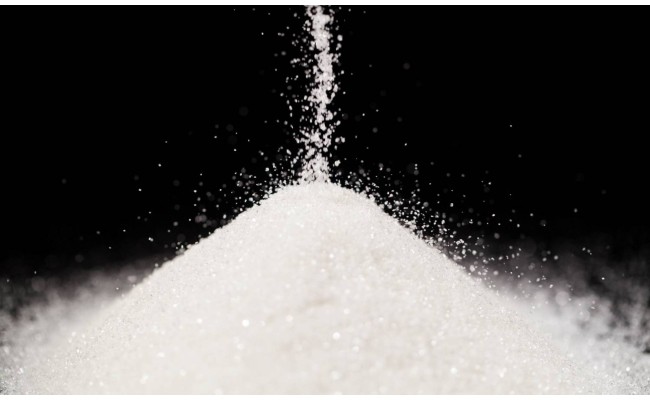
Polymer formulations find extensive usage in diverse industries such as automotive, construction, aerospace, and consumer goods. The final properties of the polymer product are influenced by multiple factors, including the polymer type, formulation additives, and processing conditions. Two crucial additives in polymer formulations are fillers and stabilizers. Fillers, commonly consisting of materials like carbon black, silica, glass fibers, talc, and clay, are added to the polymer matrix in small quantities to enhance its mechanical, thermal, and electrical properties. They boost the strength, stiffness, and heat resistance of the polymer and are generally low-cost materials. On the other hand, stabilizers are added to prevent polymer degradation during processing and usage, which may occur due to exposure to heat, light, or oxygen, leading to a loss of mechanical properties and discoloration. Stabilizers work by neutralizing acidic byproducts that hasten the degradation process and scavenge free radicals responsible for degradation. UV stabilizers, antioxidants, and heat stabilizers are commonly used stabilizers.
Several factors, including the type of polymer, processing conditions, end-use application, and cost, must be considered while selecting fillers and stabilizers for polymer formulations. Additionally, the compatibility of the filler or stabilizer with the polymer matrix and other additives in the formulation is crucial.
Attending the online training on fillers and stabilizers selection for polymer developments is crucial for polymer formulators as it provides them with the necessary knowledge, techniques and skills to;
1. Improve Polymer Properties: Learn how to optimize physical and mechanical properties of polymers by selecting and using fillers and stabilizers effectively.
2. Cost Efficiency and Performance Optimization: Acquire insights on reducing costs and enhancing the performance of polymers, leading to more efficient operational processes.
3. Advanced Product Development: Utilize the training to develop more efficient and effective polymer formulations, elevating product quality and market competitiveness.
4. Expert Guidance: Benefit from the expertise of training professionals who will provide comprehensive understanding of different types of fillers and stabilizers and their appropriate applications.
This is highly recommended and must have training for chemical industry professionals engaged in diverse application/formulation areas; in particular:
- R&D chemists, formulators, new product developers
- Technical service managers, lab managers, product managers
- People that function in the materials development areas

The OnlyTRAININGS experts team is a powerhouse of industry professionals committed to advancing knowledge and solving complex challenges. Comprising specialists from diverse fields including chemical engineering, automotive, artificial intelligence, consumer electronics, energy solutions, sustainability, circular economy, polymer science, cosmetics industry, information technology, regulatory affairs and more, our team brings unparalleled expertise. With deep knowledge in polymer science, material science, coatings technology, cosmetic formulations, adhesives and sealants, and industry regulations, we offer a unique blend of experience and skill sets. Driven by a passion for innovation and rigorous research, our team is dedicated to making a tangible impact. We thrive on tackling new challenges, exploring growth opportunities, and pushing the boundaries of what’s possible. By staying at the forefront of industry developments and emerging technologies, we ensure that professionals can apply cutting-edge skills and insights to their day-to-day work. At OnlyTRAININGS, we pride ourselves on delivering world-class, instructor-led technical training. Backed by our expert team, we provide comprehensive, hands-on learning experiences designed to elevate your skills and expertise. Whether you're looking to master new technologies, solve complex problems, or stay ahead in your field, OnlyTRAININGS is your partner in professional growth.
Join 100,000+ chemical industry professionals from 5000+ companies worldwide who trust OnlyTRAININGS for industry-leading expertise.
 OnlyTRAININGS Expert Team
 OnlyTRAININGS Expert Team
5 reviews