- Call: +1 850 633 2663

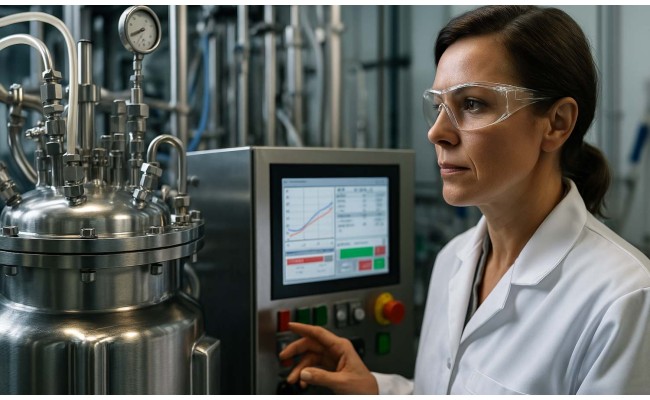
Discover how biohybrid systems are revolutionizing the chemical and manufacturing industries by merging biological processes with synthetic engineering. This cutting-edge approach enables the creation of self-healing materials, biohybrid catalysts, and waste-to-value solutions, driving sustainability and efficiency like never before. Imagine materials that repair themselves, reactors powered by living cells, and manufacturing processes that turn waste into valuable resources. Biohybrid systems are not just a scientific breakthrough—they are a game-changer for OEMs and chemical manufacturers seeking to reduce environmental impact, cut costs, and stay ahead in a competitive market. From pharmaceuticals to automotive and energy sectors, the applications are limitless. Are you ready to explore how biohybrid systems can transform your operations and unlock new opportunities for innovation? Dive into the world of bio-integrated reactors, biohybrid sensors, and AI-driven biohybrid design to future-proof your business. The future of sustainable manufacturing is here—don’t get left behind.
This isn’t just another sustainability training. It’s a deep dive into one of the most exciting and underutilized technologies in the chemical and manufacturing industries. Attend this training and you will;
1. Harness the Power of Living Cells in Manufacturing: Discover how biohybrid systems use living organisms to create self-healing materials, bio-integrated reactors, and more. Turn science fiction into reality for your business.
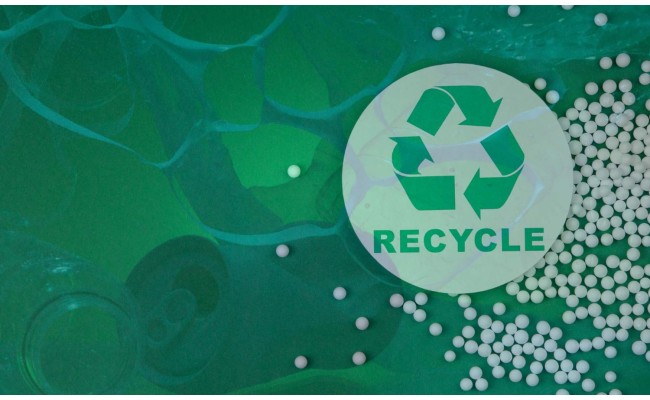
2. Transform Waste into High-Value Products: Learn how biohybrid systems convert industrial waste into biofuels, bioplastics, and other profitable materials. Turn your waste streams into revenue streams..
3. Tap into a $10 Billion Market Opportunity: Biohybrid systems are the next big thing in sustainable innovation. Gain a first-mover advantage and position your business at the forefront of this rapidly growing field.
4. Solve R&D Challenges with Breakthrough Solutions: Struggling with inefficiencies or material limitations? Biohybrid systems offer enzyme-based catalysts, self-healing polymers, and other game-changing tools to revolutionize your R&D.
This training is designed for professionals and organizations across the chemical industry, OEMs who are actively involved in or looking to enter the sustainable developments and circular economy ecosystem. Specifically, it is ideal for:
- R&D chemists, formulators, Engineers
- Process and Manufacturing Engineers
- Sustainability and Environmental Specialists
- Innovation Managers and Strategists
- OEM Design and Development Teams
- Supply Chain and Procurement Specialists
- Academia & Research Institutions

The OnlyTRAININGS experts team is a powerhouse of industry professionals committed to advancing knowledge and solving complex challenges. Comprising specialists from diverse fields including chemical engineering, automotive, artificial intelligence, consumer electronics, energy solutions, sustainability, circular economy, polymer science, cosmetics industry, information technology, regulatory affairs and more, our team brings unparalleled expertise. With deep knowledge in polymer science, material science, coatings technology, cosmetic formulations, adhesives and sealants, and industry regulations, we offer a unique blend of experience and skill sets. Driven by a passion for innovation and rigorous research, our team is dedicated to making a tangible impact. We thrive on tackling new challenges, exploring growth opportunities, and pushing the boundaries of what’s possible. By staying at the forefront of industry developments and emerging technologies, we ensure that professionals can apply cutting-edge skills and insights to their day-to-day work. At OnlyTRAININGS, we pride ourselves on delivering world-class, instructor-led technical training. Backed by our expert team, we provide comprehensive, hands-on learning experiences designed to elevate your skills and expertise. Whether you're looking to master new technologies, solve complex problems, or stay ahead in your field, OnlyTRAININGS is your partner in professional growth.
Further areas you will be able to explore after this training: biohybrid systems, chemical manufacturing, sustainable innovation, biohybrid catalysts, self-healing materials, bio-integrated reactors, sustainable chemistry, green manufacturing, biohybrid technology, chemical industry trends, sustainable materials, biohybrid applications, circular economy, eco-friendly manufacturing, biohybrid research, synthetic biology, sustainable engineering, biohybrid solutions, chemical process optimization, biohybrid systems training much more....
Join 100,000+ chemical industry professionals from 5000+ companies worldwide who trust OnlyTRAININGS for industry-leading expertise.
 OnlyTRAININGS Expert Team
 OnlyTRAININGS Expert Team
 OnlyTRAININGS Expert Team
0 reviews